Home › Blog › What Causes the Afternoon Energy Slump
Symptoms & CausesWhat Causes the Afternoon Energy Slump (and How to Beat It Naturally)
| The problem | That heavy, foggy, can’t-focus crash that hits in the early-to-mid afternoon. |
| Why it happens | A natural body-clock dip made worse by a heavy lunch, blood-sugar swings, poor sleep, dehydration and caffeine timing. |
| What helps | Lighter balanced lunch, a post-lunch walk, daylight, water, smart caffeine timing and front-loaded mornings. |
| Reassurance | A mild afternoon dip is normal — you are working with your biology, not fighting a fault. |
You have a productive morning, eat lunch, and then — somewhere between 1 and 3 p.m. — the shutters come down. Your eyelids get heavy, your focus scatters, and the work that felt easy at 10 a.m. suddenly feels impossible. If that sounds familiar, you have met the afternoon energy slump, and the good news is that it is both normal and very manageable once you understand what causes it.
This guide breaks down why the afternoon slump happens, which everyday habits quietly make it worse, and the natural, no-gimmick ways to beat it without simply pouring more coffee on the problem. As always, this is general information rather than medical advice — but for the ordinary post-lunch dip, small changes make a real difference.
What is the afternoon energy slump?
The afternoon slump is the familiar dip in alertness, energy and concentration that most people feel in the first half of the afternoon. It is sometimes called the “post-lunch dip,” but that name is a little misleading — because it happens whether or not you eat lunch. That is your first clue that something deeper than food is at work.
What causes the afternoon energy slump?
The slump is rarely caused by one thing. It is usually a natural rhythm made worse by a stack of everyday habits. The two-process model of sleep regulation explains why: a circadian rhythm and a sleep-pressure signal interact, and the early afternoon is where they line up against you Borbély AA et al. (J Sleep Res, 2016).
1. Your body clock has a built-in dip
Your circadian rhythm — the internal 24-hour clock that governs sleep and alertness — has a natural lull in the early-to-mid afternoon, roughly twelve hours after the midpoint of your night’s sleep. This is a real, biological trough in alertness that most humans share. Even perfectly rested people feel it to some degree, which is why the slump is so universal. A review of the post-lunch dip describes it as a genuine trough in alertness that appears even in people who skip lunch entirely Monk TH (Clin Sports Med, 2005).
2. A big or carb-heavy lunch
A large, sugary or refined-carb lunch sends your blood sugar up quickly and then down again, and that drop can leave you drowsy and foggy an hour or two later. The bigger and more processed the meal, the harder the landing tends to be. This blood-sugar rollercoaster is one of the most controllable causes of the slump.
3. You did not sleep enough
If you are carrying sleep debt, the natural afternoon dip lands on an already-depleted brain and hits far harder. Poor sleep is often the difference between a mild lull you barely notice and a wall you cannot get through — our guide to how sleep affects memory and focus explains why.
4. You are mildly dehydrated
By early afternoon, a lot of people are quietly behind on fluids, and even mild dehydration causes tiredness and poor concentration. It is an easy and often-missed contributor, as we cover in how dehydration affects your brain and focus.
5. Your morning coffee is wearing off
If your energy is propped up by a big morning caffeine hit, the afternoon can bring a crash as it wears off. Reaching for another cup then can disturb that night’s sleep, which deepens tomorrow’s slump — a self-perpetuating loop. A systematic review of coffee, caffeine and sleep also documents how late doses push back sleep onset, which feeds the next day's slump Clark I et al. (Sleep Med Rev, 2017). Our guide to how caffeine affects your focus and brain explains why the crash lands when it does.
6. Your brain is simply tired from the morning
Hours of concentrated mental effort use up your capacity for sustained attention. By early afternoon, plain mental fatigue is setting in on top of everything else — something we explore in why you feel mentally tired all the time.

How to beat the afternoon slump naturally
Because the slump has several causes, the fixes stack — do a few of these and the afternoon transforms.
Eat a lighter, balanced lunch
Swap the big plate of refined carbs for a meal built around protein, fibre and some healthy fat, with vegetables for volume. Steadier blood sugar means a much gentler afternoon. Our guide to the best foods for memory and brain health is full of ideas that double as steady-energy lunches.
Move right after eating
A ten-minute walk after lunch is one of the most effective anti-slump tools there is. It helps blunt the blood-sugar spike, boosts circulation and wakes up your mind far more reliably than another coffee.
Get some daylight
Natural light is a powerful signal to your body clock that it is still daytime. Stepping outside, or at least to a bright window, in the early afternoon can lift alertness without a single calorie or milligram of caffeine.
Drink a glass of water
Before you assume you need food or caffeine, rule out dehydration. A large glass of water and twenty minutes is a shockingly effective reset for a lot of afternoon fog.
Time your caffeine wisely
If you use caffeine, a small amount earlier in the afternoon is gentler than a big hit late in the day. Cutting off caffeine well before evening protects your sleep, which is the real long-term fix for the slump.
Take a genuine break — or a short nap
Pushing through a slump often just produces slow, error-prone work. A real ten-minute break away from your screen, or a short 10–20 minute nap if your day allows, can restore more than an hour of grinding. Nap research found short naps of roughly ten to twenty minutes improved alertness with little of the grogginess that follows longer sleeps Milner CE et al. (J Sleep Res, 2009).
Front-load your hardest work
Since the dip is partly built into your biology, work with it. Schedule your most demanding, focus-heavy tasks for the morning when alertness peaks, and save routine, low-stakes admin for the afternoon trough. For more on protecting deep work, see our guide to improving focus and concentration naturally.
A calm, caffeine-free daily habit
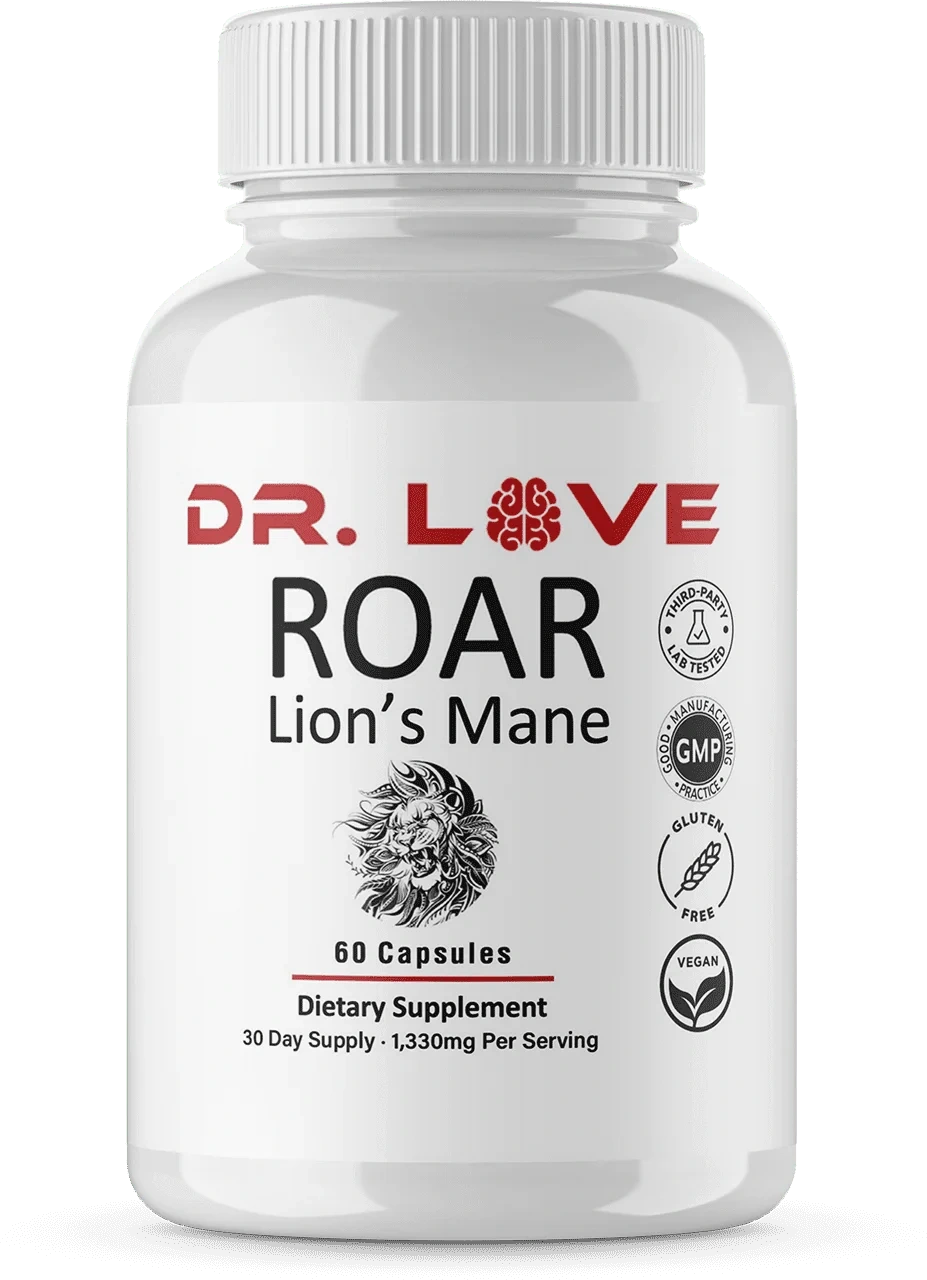
Roar Lion’s Mane is a single-ingredient capsule — 1,330 mg of Lion’s Mane a day with no caffeine and no stimulants — for people who want a steady daily focus habit rather than another jittery pick-me-up. Backed by a 180-day money-back guarantee.
See Roar Packages

Where a daily nootropic habit fits in
Some people like to add a simple daily supplement to their focus routine. Lion’s Mane (Hericium erinaceus) is an edible functional mushroom popular in the nootropic world, taken as a small, consistent daily habit for everyday focus and clarity.
A key point for the afternoon slump: Lion’s Mane is not a stimulant. It contains no caffeine and is not designed to jolt you awake or replace sleep. It is a food-based supplement, not a treatment for fatigue or any condition. The most reliable way to ease the slump is still through sleep, food, movement and hydration — with a calm daily habit as one small, optional layer on top. If you would like the background, see our explainer on what Lion’s Mane does for your brain, or read more about Roar Lion’s Mane on our homepage.
The bottom line
The afternoon energy slump is caused by a natural dip in your body clock, amplified by everyday habits — a heavy lunch, blood-sugar swings, sleep debt, dehydration and caffeine timing. You cannot delete the biological dip, but you can stop stacking the deck against yourself: eat lighter and balanced at lunch, move and get daylight afterwards, stay hydrated, time caffeine sensibly, and schedule your hardest work for the morning. A mild slump is normal; a daily wall of exhaustion is worth a chat with your doctor.
FAQ
Why do I always crash in the afternoon?
A dip in energy in the early-to-mid afternoon is partly natural — your body clock has a built-in lull roughly 12 hours after the middle of your night’s sleep. A heavy lunch, blood-sugar swings, poor sleep, dehydration and a caffeine crash can all make that natural dip much worse.
Does what I eat at lunch cause the slump?
Often, yes. A large, carb-heavy or sugary lunch can spike then drop your blood sugar, leaving you drowsy and foggy an hour or two later. A lighter, balanced meal with protein, fibre and some healthy fat tends to give steadier afternoon energy.
How do I beat the afternoon slump without more coffee?
Try a short walk or movement break, step into daylight, drink a glass of water, and eat a lighter balanced lunch. Front-loading your hardest work into the morning and taking a genuine break also help. Late-day coffee can disrupt that night’s sleep and feed the cycle.
Is the afternoon slump a sign something is wrong?
A mild afternoon dip is normal and shared by most people. If you feel severely exhausted every day, struggle to function, or the tiredness is new and unexplained, it is worth speaking to a doctor to rule out sleep or health issues.
Can Lion’s Mane stop the afternoon slump?
Lion’s Mane is a caffeine-free functional-mushroom supplement people take as a daily habit for focus and clarity — not an energy stimulant or a cure for tiredness. The most reliable way to ease the slump is through sleep, food, movement and hydration, with a supplement as one small, optional part of the routine.
References
- Monk TH. “The post-lunch dip in performance.” Clin Sports Med, 2005. PubMed 15892914
- Borbély AA et al. “The two-process model of sleep regulation: a reappraisal.” J Sleep Res, 2016. PubMed 26762182
- Milner CE et al. “Benefits of napping in healthy adults: impact of nap length, time of day, age, and experience with napping.” J Sleep Res, 2009. PubMed 19645971
- Clark I et al. “Coffee, caffeine, and sleep: A systematic review of epidemiological studies and randomized controlled trials.” Sleep Med Rev, 2017. PubMed 26899133
- Harvard T.H. Chan School of Public Health. “Carbohydrates and Blood Sugar.” nutritionsource.hsph.harvard.edu
† These statements have not been evaluated by the Food and Drug Administration. This product is not intended to diagnose, treat, cure or prevent any disease. This article is for general information only and is not medical advice. Affiliate disclosure: Roar Lion’s Mane is an independent guide, not the manufacturer or seller. Some links on this page are affiliate links and we may earn a commission at no extra cost to you if you buy through them.