Home › Blog › How Sleep Affects Memory and Focus
Sleep & LifestyleHow Sleep Affects Memory and Focus (and Habits That Help)
| The short version | Sleep is when your brain consolidates memories and clears waste — so how you sleep tonight shapes your memory and focus tomorrow. |
| The sweet spot | Most adults do best on seven to nine hours, with consistency mattering as much as the total. |
| Best habits | Steady bed and wake times, morning daylight, a low-screen wind-down, and a cool, dark room. |
| Where supplements fit | Lion’s Mane is a non-stimulant daytime habit — not a sleep aid — that pairs with good sleep, not replaces it. |
Of all the levers that shape how sharp you feel, none is bigger or more overlooked than sleep. If you want to understand how sleep affects memory and focus, the key idea is that your brain does some of its most important work while you are unconscious. Far from being “downtime,” the night is when the day’s experiences are filed away and the brain is cleaned up for tomorrow. Skimp on it and your memory and concentration pay the price the very next day.
What your brain does while you sleep
Sleep is not one uniform state. Across the night you cycle through lighter stages, deep slow-wave sleep and REM (dream) sleep, and each plays a role in how you think when you wake.
Memory consolidation
While you sleep, the brain replays and strengthens what you learned during the day, moving fragile new information into more durable long-term storage. This is called memory consolidation, and it is why a good night after studying or learning something new helps it stick — and why an all-nighter is such a poor strategy for remembering. This is the best-supported part of the picture: a major review of sleep and memory describes consolidation during sleep as an active process rather than simple rest Rasch B et al. (Physiol Rev, 2013).
Clearing metabolic waste
As your brain works through the day it produces by-products that need clearing. Research suggests the brain becomes especially efficient at flushing these out during deep sleep. Miss that, and you wake feeling like the system never got tidied — foggy, slow and unfocused.
Resetting attention and mood
Sleep also restores the circuits that govern attention and emotional balance. That is why one bad night can leave you not only forgetful but irritable and easily distracted, and why the fix for a lot of everyday brain fog is simply a better night’s rest. Reviews of sleep, memory and plasticity link the same overnight processes to next-day attention and learning capacity Walker MP et al. (Annu Rev Psychol, 2006).
How poor sleep shows up the next day
You rarely need a lab to know you are underslept — your mind tells you. Common next-day signs include:
- Slower recall, reaching for words or names that should come easily.
- Shorter attention span, with your mind wandering off tasks within minutes.
- More mistakes, because a tired brain filters distractions poorly.
- Low, flat energy, which shades into the kind of mental fatigue that leaves you tired all the time.
- Cravings for sugar and caffeine, as you chase quick energy your sleep should have provided.
The everyday habits that protect your sleep
The encouraging part is that most sleep problems respond to a handful of ordinary habits, often called sleep hygiene. None of them are dramatic; the power is in doing them consistently.
Keep a consistent schedule
Going to bed and waking at similar times — even on weekends — keeps your body clock steady, which makes falling asleep and waking up easier over time.
Get daylight early
Bright light in the morning helps anchor your body clock and sets you up to feel sleepy at the right time that night. A short walk outside after waking is ideal.
Wind down with less light and fewer screens
Dim the lights and step back from screens in the final hour before bed. Bright light and stimulating content in the evening make it harder for the mind to settle. Alcohol deserves the same scrutiny at that hour, because a nightcap fragments the second half of the night even though it speeds up falling asleep.
Keep the bedroom cool, dark and quiet
A comfortable, dark, cool room supports the deep sleep that matters most for memory. Blackout curtains and a slightly cooler temperature go a long way.
Watch caffeine and late, heavy meals
Caffeine lingers for hours, so an afternoon coffee can quietly cost you sleep. Large, heavy meals close to bedtime can also disrupt rest. Aim to keep the evening lighter. A systematic review found caffeine measurably delayed sleep onset and cut total sleep time even at doses taken well before bedtime Clark I et al. (Sleep Med Rev, 2017). Our guide to how caffeine affects your focus and brain goes through the timing in more detail.
A calm, non-stimulant daytime habit
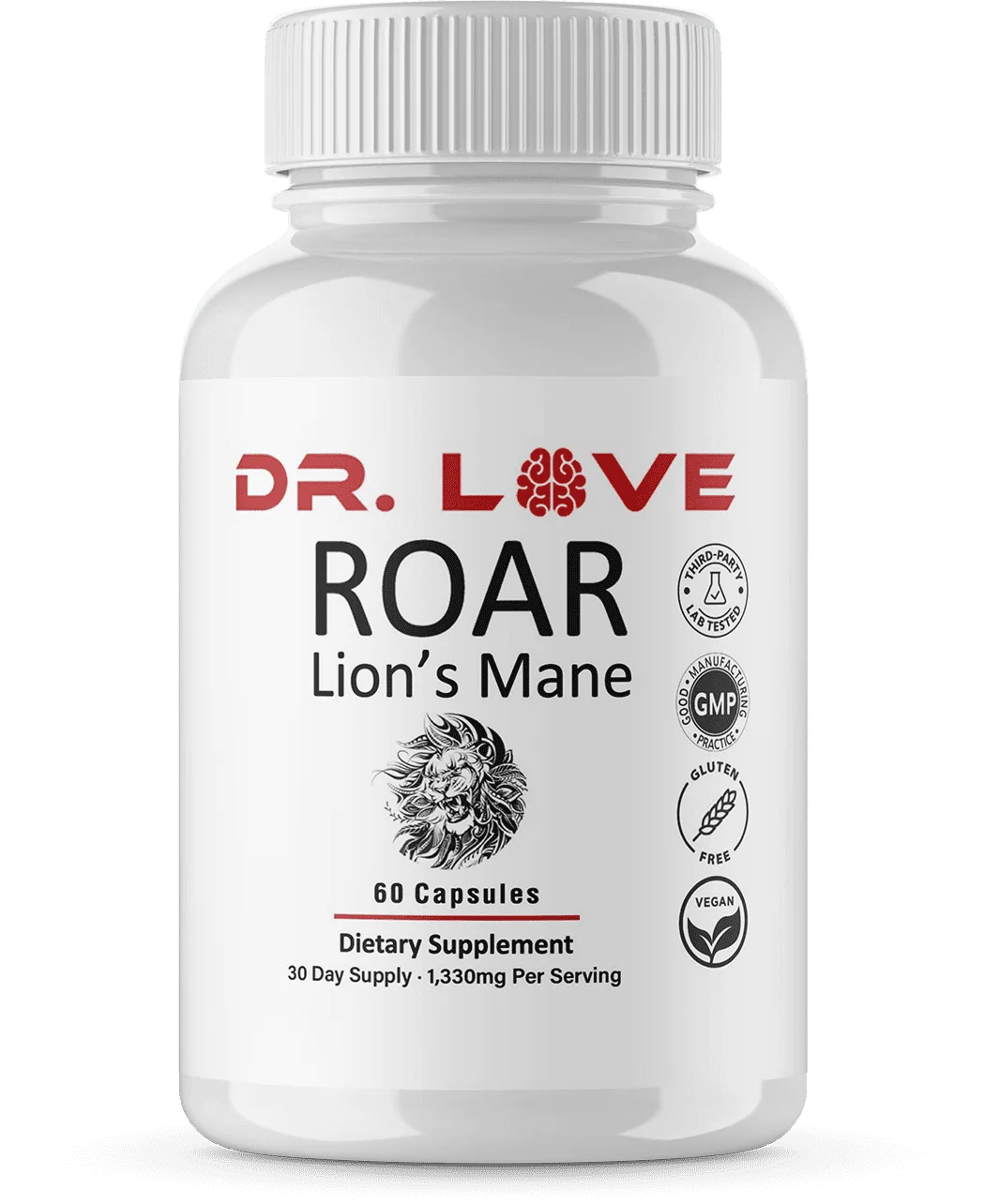
Roar Lion’s Mane is a single-ingredient capsule with 1,330 mg of Lion’s Mane and zero caffeine — a daytime habit for everyday clarity that won’t keep you up at night. Backed by a 180-day money-back guarantee.

Sleep, supplements and the bigger picture
Because sleep is the foundation, it is worth being clear about where a daytime supplement does and does not belong. Lion’s Mane (Hericium erinaceus) is a non-stimulant functional mushroom that many people take once a day for everyday mental clarity. It contains no caffeine, so — unlike an afternoon coffee — it is not the kind of thing that keeps you wired at bedtime. But it is a food-derived supplement, not a sleep aid and not a substitute for the seven-to-nine hours your brain actually needs. Think of it as one calm daytime habit that sits alongside good sleep, good food and daily movement.
If you want to go deeper, our explainer on what Lion’s Mane does for your brain covers the mushroom itself, and our guide to improving focus and concentration naturally shows how sleep, food, movement and distraction control fit together into one focus-friendly day.
When to seek help
Occasional bad nights are normal and usually respond to better habits. But if you regularly struggle to fall or stay asleep, snore heavily, wake unrefreshed despite enough hours, or feel your memory and focus are seriously affected, it is worth speaking to a qualified healthcare professional. Sleep disorders are common and treatable, and they are not something to simply push through. This article is general information, not medical advice.
FAQ
How does sleep affect memory and focus?
During sleep the brain consolidates the day’s learning into longer-term memory and clears metabolic by-products that build up while you are awake. Deep and REM sleep in particular support memory and next-day concentration, which is why a poor night so reliably leaves you forgetful and unfocused.
How many hours of sleep do you need for a sharp mind?
Most adults do best on seven to nine hours a night, with consistency mattering as much as the total. Regularly dipping below that range is one of the most common reasons people feel foggy and struggle to concentrate.
What are the best habits for better sleep?
Keep consistent bed and wake times, get daylight early in the day, wind down with dim light and less screen time in the final hour, keep the bedroom cool and dark, and limit caffeine and heavy late meals. Small, repeated habits beat one-off efforts.
Does Lion’s Mane affect sleep?
Lion’s Mane is a non-stimulant functional mushroom with no caffeine, so it does not act as a stimulant that would keep you awake. People typically take it as a daytime daily habit for everyday clarity; it is a food-derived supplement, not a sleep aid. Follow the label and consult your physician with any concerns.
When should I take a daily focus supplement?
Many people take a daily Lion’s Mane supplement in the morning with breakfast so it becomes an easy, consistent habit. Because it contains no caffeine, timing is flexible, but a morning routine helps most people remember it.
References
- Rasch B et al. “About sleep's role in memory.” Physiol Rev, 2013. PubMed 23589831
- Walker MP et al. “Sleep, memory, and plasticity.” Annu Rev Psychol, 2006. PubMed 16318592
- Clark I et al. “Coffee, caffeine, and sleep: A systematic review of epidemiological studies and randomized controlled trials.” Sleep Med Rev, 2017. PubMed 26899133
- National Institute of Neurological Disorders and Stroke. “Brain Basics: Understanding Sleep.” www.ninds.nih.gov
- National Heart, Lung, and Blood Institute. “Sleep Deprivation and Deficiency.” www.nhlbi.nih.gov
The Roar Lion’s Mane Research Team is an independent group that writes plain-English guides on nootropics, functional mushrooms and everyday brain-health habits. We read the primary literature, avoid hype, and are careful to separate what is well established from what is still being studied. Our articles are reviewed for accuracy before publication and are intended as general information, not medical advice.
† These statements have not been evaluated by the Food and Drug Administration. This product is not intended to diagnose, treat, cure or prevent any disease. This article is for general information only and is not medical advice. Affiliate disclosure: Roar Lion’s Mane is an independent guide, not the manufacturer or seller. Some links on this page are affiliate links and we may earn a commission at no extra cost to you if you buy through them.